Three rules for every wedding
- Leave white to the couple
- In Western weddings, avoid white, ivory, cream and very pale champagne, including mostly-white prints. In many Chinese and Indian weddings, guests also avoid white and black (associated with mourning) and leave red to the bride. When in doubt, ask the family.
- Dress for the venue
- Grass, sand, cobbles and long walks call for block heels, wedges or flats. Churches, temples, mosques, gurdwaras and synagogues often expect covered shoulders and knees, and sometimes a head covering. Outdoor evenings get cold.
- Dress for the time
- Daytime weddings favor lighter colors and fabrics; evening weddings are darker and dressier. The same code (say, semi-formal) looks different at noon and at 7 pm.
Every wedding dress code, in order of formality
Each entry gives the usual reading for wedding guests. Tap through to a full guide where there is one, or paste your invitation into the decoder.
Come as you areformality 1/10
Truly relaxed. Wear what you’d wear on a good weekend day.
- Women
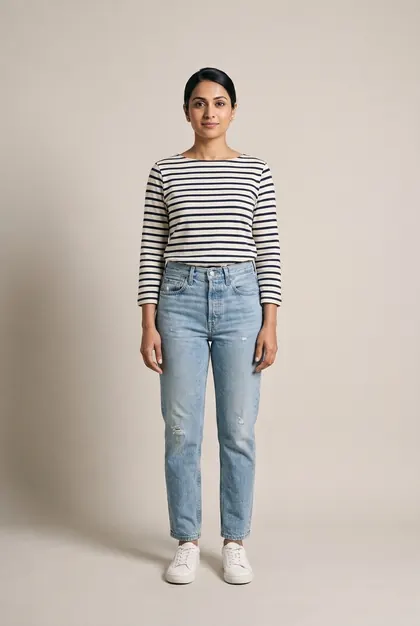
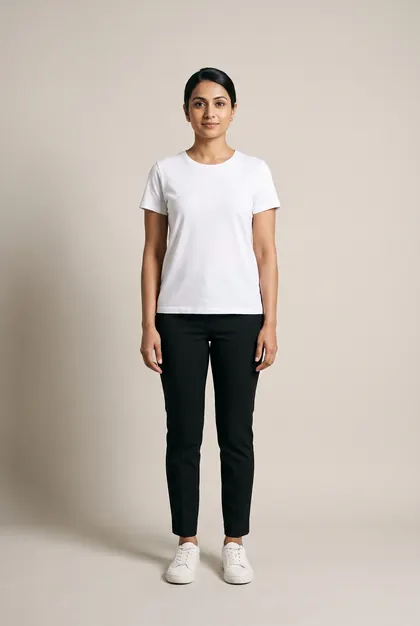
- Jeans or relaxed trousers with a tee, sweater or shirt. A casual dress or skirt.
- Men
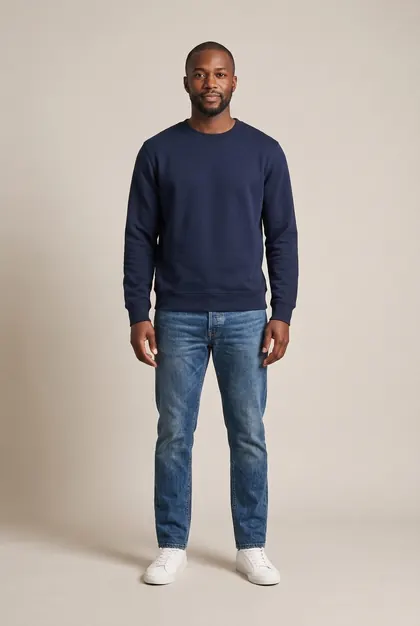
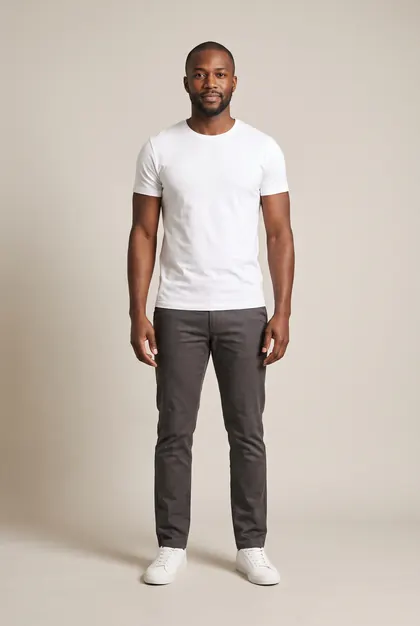
- Jeans or chinos. T-shirt, polo, casual shirt or sweater.
- Anyone
- Whatever you feel comfortable and like yourself in, as long as it is clean and in good repair.
- At a wedding
- Rare on wedding invitations. If you see it, the couple wants a low-key day; a sundress, chinos and a short-sleeve shirt or similar still reads as respectful.
Casualformality 2/10
Everyday clothes, neat and put together. Jeans are usually fine.
- Women
- Jeans or casual trousers with a nice tee, knit or blouse. A casual day dress, skirt or jumpsuit.
- Men
- Jeans or chinos. T-shirt, polo, casual button-down or sweater.
- Anyone
- Overshirts, cardigans and casual layers.
- At a wedding
- At a wedding, casual usually still means a step above everyday: a sundress or skirt and top, chinos and a short-sleeve shirt. Denim is fine for some couples and not for others; check their wedding website.
Dressy casualformality 3/10
Casual, but make an effort: no tie, no sneakers that look sporty.
- Women
- A sundress, wrap dress or midi skirt with a nice top. Dark jeans or trousers with a silk-look blouse or fine knit.
- Men
- Chinos or dark jeans without rips. Button-down shirt, polo in a fine knit or a merino sweater.
- Anyone
- A light jacket or overshirt instead of a blazer.
- At a wedding
- For a dressy casual wedding, a summer dress or skirt and blouse, or chinos and a pressed shirt, is the usual target. A blazer is optional.
Smart casualformality 4/10
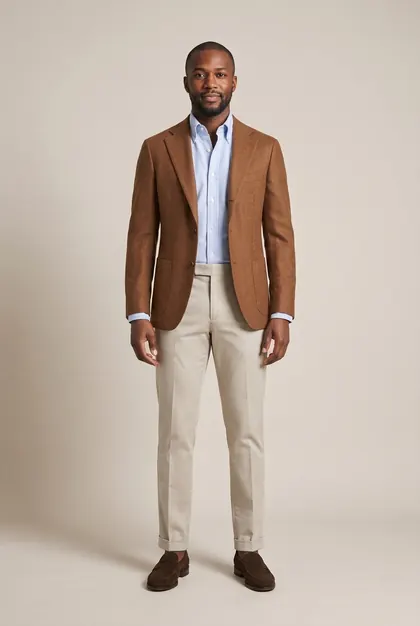
Polished but relaxed: chinos or tailored trousers, a collar or fine knit, optional blazer.
- Women
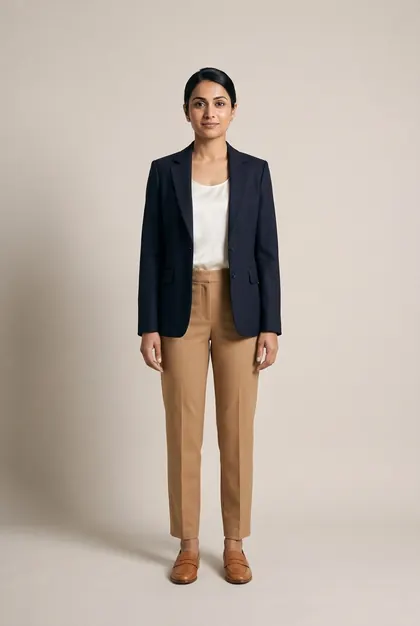
- Tailored trousers, a midi skirt or dark jeans. Blouse, fine knit or crisp shirt.
- Men
- Chinos or tailored trousers; dark jeans in some settings. Oxford shirt, fine-knit polo or merino sweater.
- Anyone
- A blazer over a knit as the safe middle ground.
- At a wedding
- A smart casual wedding usually means a summer dress or smart separates, or a blazer and chinos. Ties are not expected. Full smart casual guide
Festiveformality 5/10
Cocktail level, with seasonal color, velvet, sparkle or a playful accessory.
- Women
- A cocktail dress in velvet, sequins or a jewel tone. Dressy separates with a metallic or embellished piece.
- Men
- A dark suit or blazer with a festive tie or pocket square. A velvet dinner jacket or blazer.
- Anyone
- Velvet trousers or a jacket in a deep color.
- At a wedding
- Festive appears on winter and holiday weddings. Treat it as cocktail attire with seasonal color; avoid white and anything bridal.
Garden partyformality 5/10
Daytime polish in light fabrics. Shoes that work on grass.
- Women
- A floral or pastel midi dress, or a light skirt and blouse. Block heels, wedges or flats rather than stilettos.
- Men
- A lightweight suit in a mid or light tone, or a blazer with chinos. Shirt in a light color; tie optional.
- Anyone
- Linen and cotton tailoring.
- At a wedding
- Garden weddings follow the same idea: light, pretty and practical. Avoid white and ivory, and check whether the ceremony is on grass.
Semi-formalformality 6/10
A suit (tie usually) or a cocktail dress or dressy separates. One step below formal.
- Women
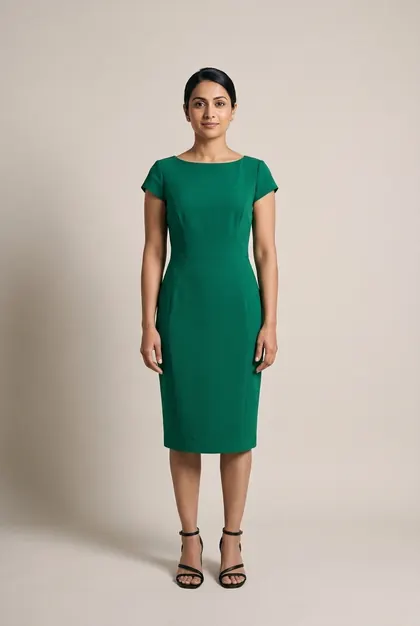
- A knee- to midi-length cocktail dress. A dressy jumpsuit or tailored separates in silk, crepe or satin.
- Men
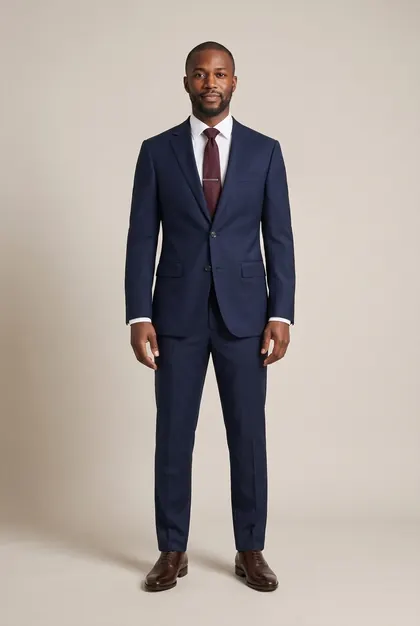
- A suit in navy, grey or charcoal (lighter shades by day). Dress shirt and tie; tie optional at more relaxed events.
- Anyone
- A dark suit worn with or without a tie.
- At a wedding
- Semi-formal weddings are common. Cocktail dress, dressy separates, or a suit with a tie. No white or ivory. Full semi-formal guide
Cocktail attireformality 6/10
Knee- to midi-length dress or dressy separates; a dark suit, tie optional.
- Women
- A knee- to midi-length cocktail dress. A dressy jumpsuit or tailored separates in silk, satin or crepe.
- Men
- A dark suit in navy or charcoal. Dress shirt; tie usually, open collar at relaxed events.
- Anyone
- A dark suit, tailored but softened with a knit or an open collar.
- At a wedding
- Cocktail attire is the most common wedding guest code. A cocktail dress or dressy separates, a dark suit and tie. Skip white, ivory and cream. Full cocktail attire guide
Beach formalformality 6/10
Formal in spirit, but light: linen suits, flowy dresses, no stilettos.
- Women
- A flowy midi or maxi dress in a light fabric. Dressy separates in linen or chiffon.
- Men
- A light suit in linen, cotton or a tropical wool, in tan, light grey or light blue. Dress shirt; tie optional, often skipped.
- Anyone
- Linen tailoring in pale colors.
- At a wedding
- Beach formal is almost always a wedding code. Light suit or flowing dress, practical shoes, nothing white.
Lounge suitformality 7/10
British for a business suit with a tie. Women: a smart day dress or cocktail dress.
- Women
- A smart knee- to midi-length dress or tailored separates. At a UK day wedding, often a hat or fascinator.
- Men
- A two- or three-piece suit (navy, grey, charcoal; lighter by day). Shirt and tie.
- Anyone
- A well-cut suit worn with a tie or a smart open-collar shirt.
- At a wedding
- Common on British wedding invitations. Suit and tie; a dress or smart separates, often with a hat or fascinator at day weddings.
Formalformality 8/10
Tuxedo or dark suit and tie; floor-length gown or very elegant cocktail dress.
- Women
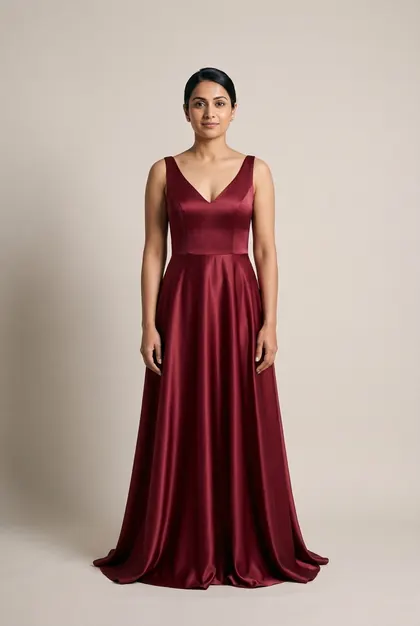
- A floor-length gown or an elegant midi or cocktail dress. Formal separates in luxe fabrics.
- Men
- A tuxedo, or a dark suit with a tie. Dress shirt and leather dress shoes.
- Anyone
- A tailored tuxedo or dark suit.
- At a wedding
- At an evening formal wedding, a gown or elegant cocktail dress, a tuxedo or dark suit. No white or ivory. Full black tie guide
Black tie optionalformality 8/10
Tuxedo welcome, dark suit and tie fine. Long gown or a dressy cocktail dress.
- Women
- A floor-length gown. An elegant midi or cocktail-length dress in a luxe fabric.
- Men
- A tuxedo with a bow tie. Or a dark suit (navy, charcoal, black) with a conservative tie.
- Anyone
- Tuxedo or dark suit, cut however suits you.
- At a wedding
- Common on evening weddings. A gown or elegant cocktail dress, a tuxedo or dark suit and tie. No white. Full black tie guide
Creative black tieformality 8/10
Black tie as the base, with room for color, texture and personality.
- Women
- A gown or elegant cocktail dress in bold color, metallic or interesting texture. Formal separates or a tuxedo-inspired suit.
- Men
- A tuxedo with a velvet or colored jacket. A patterned or colored bow tie, a turtleneck, or patent loafers.
- Anyone
- A tailored suit in velvet or brocade.
- At a wedding
- Seen at fashion-forward evening weddings. Go formal, add color or texture; still avoid white and anything bridal. Full black tie guide
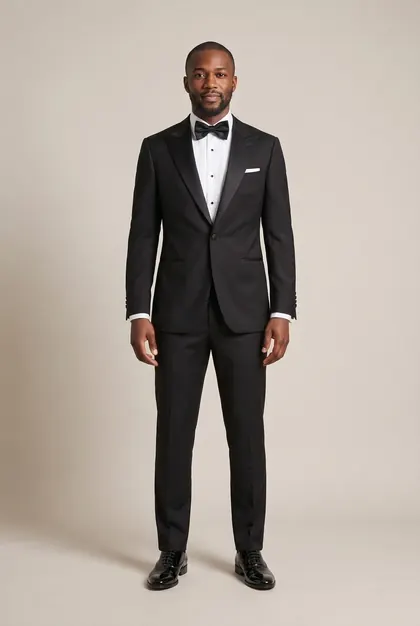
Black tieformality 9/10
Tuxedo with a bow tie. Floor-length gown, or very elegant formalwear.
- Women
- A floor-length evening gown (traditional and safest). A very elegant cocktail or midi dress at less traditional events.
- Men
- A tuxedo (dinner jacket) in black or midnight blue with satin or grosgrain lapels. Matching trousers with a satin side stripe.
- Anyone
- A tuxedo cut to your body, worn with a bow tie.
- At a wedding
- At a black tie wedding, gown and tuxedo; avoid white and ivory. Some guests rent a tuxedo; that is completely normal. Full black tie guide
Morning dressformality 9/10
Daytime formal: tailcoat, waistcoat and striped or grey trousers. Women: formal day dress and hat.
- Women
- A formal knee- to midi-length day dress or a tailored dress-and-coat. A hat or fascinator, which is expected at many morning-dress events.
- Men
- A black or grey morning coat (cutaway tailcoat). A waistcoat (grey, buff or light blue).
- Anyone
- Formal daywear in matching tones.
- At a wedding
- Seen at formal British weddings, often for the wedding party only. Guests may be told ‘morning dress or lounge suits’, which gives you a choice.
White tieformality 10/10
The most formal: tailcoat, white waistcoat and white bow tie. Floor-length gown.
- Women
- A floor-length evening gown. Long gloves are traditional, though rarely required now.
- Men
- Black evening tailcoat. White piqué waistcoat and white bow tie.
- Anyone
- Full evening dress of either tradition.
- At a wedding
- Very rare. If you are invited to one, hire the full outfit rather than improvising.
When the invitation has no dress code
Look for clues. The invitation itself (heavy engraved card or a casual e-vite), the venue (a hotel ballroom or a backyard), the time (an evening reception or a lunch), and the couple's wedding website, which often answers the question in a FAQ. If nothing helps, ask the couple or someone in the wedding party; it is a normal question.
Without other clues, cocktail attire is the usual safe default for an evening wedding, and a smart day dress or a suit, tie optional, for a daytime one.
Cultural and religious weddings
Many weddings blend traditions, and the couple will usually tell guests what to expect. Some general pointers:
- South Asian weddings are often multi-day, with a different dress level for each event. Bright colors are usually welcome and guests are often encouraged to wear traditional dress; the couple or family will often share guidance. Covered heads are expected in gurdwaras.
- Chinese weddings often include a tea ceremony and a banquet. Red is traditionally the bride's color and is lucky; many guests avoid white and black.
- Jewish weddings range from secular to Orthodox. At Orthodox weddings, modest dress (covered shoulders, elbows and knees; longer skirts) is expected, and men are offered a kippah.
- Muslim weddings often separate events or seating; modest dress with covered arms and legs is a respectful default, and women may be asked to cover their hair in a mosque.
- Church weddings may ask for covered shoulders during the ceremony. A jacket or wrap solves it.
These are generalizations; families differ. If you are unsure, ask the couple, or follow the lead of a guest from that tradition.
Destination and multi-day weddings
Each event usually has its own code: a casual welcome party, a dressy ceremony, a relaxed brunch. Pack by event, not by day. For heat and humidity, choose linen, cotton and breathable synthetics in light colors, and a light suit rather than heavy wool. For a beach ceremony, flat sandals or wedges beat heels.
Questions people ask
Can I wear black to a wedding?
At most Western weddings, yes, especially in the evening. In some cultures black is associated with mourning; if the couple's families follow such a tradition, choose a color instead.
Can I wear a white dress with a pattern?
If the overall impression is white or ivory, skip it. A pattern with white as one color among several is usually fine.
Can I wear red to a wedding?
At most Western weddings, yes. At Chinese and many Indian weddings, red is traditionally the bride's color, so guests often avoid it.
Is it rude to wear jeans to a wedding?
Unless the invitation says casual and the couple explicitly mention denim, yes, it usually reads as under-dressed.