What black tie actually means
Black tie is the second most formal dress code in Western etiquette, one step below white tie. It is an evening code: the traditional rule of thumb is that it applies to events starting after six. The name comes from the bow tie, and the bow tie is the easiest tell of whether someone has read the invitation.
What makes black tie different from “wear something nice” is that it describes a specific outfit for men (the tuxedo) and a level of formality for everyone else. That is why the advice for men is precise and the advice for women is about length, fabric and polish.
Women: gowns and the alternatives
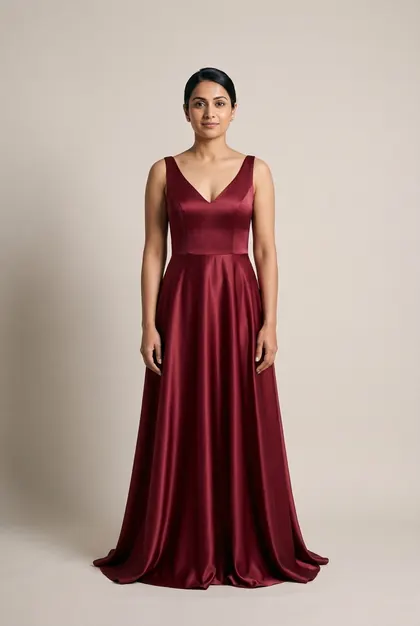
A floor-length evening gown is the traditional answer and the one that is never wrong. Fabrics that read as black tie are the ones that catch light or drape well: satin, silk crepe, velvet, chiffon, heavy jersey, beading in moderation.
At many events today, especially in the US, an elegant shorter dress is also accepted. The usual line is between a dress that looks like evening wear (a structured midi in satin, a tea-length dress in silk) and one that looks like daytime or party wear (cotton, casual prints, very short hemlines). If the event is a ball, a gala, or a formal wedding with a seated dinner, go long.
- Gowns: column, A-line, slip or ballgown silhouettes all work; choose what you can sit, eat and dance in.
- Formal separates: a long satin or silk skirt with a fitted top, or wide-leg satin trousers with a dressy blouse.
- Tuxedo suiting: a tailored tuxedo with satin lapels is a sharp and fully correct black tie choice.
- Shoes: heels or dressy flats. Under a floor-length gown, comfort can win.
- Bag and coat: a small clutch, and a proper coat or wrap rather than your everyday jacket.
Color is open. Black is classic, but jewel tones, deep reds and metallics are just as correct. The one color to think about is white or ivory at weddings.
Men: the tuxedo, piece by piece
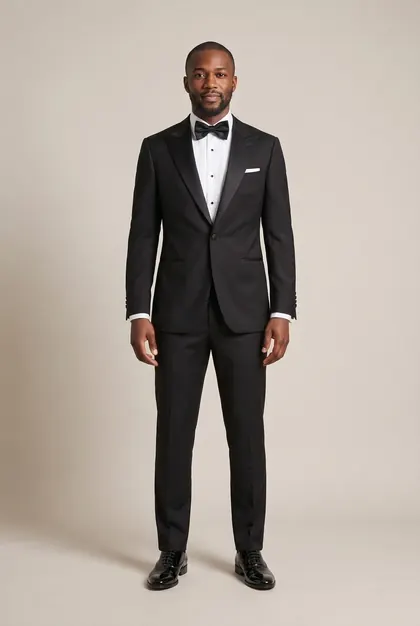
In the US it is a tuxedo, in the UK a dinner jacket. Either way, these are the parts and what to look for:
- Jacket
- Black or midnight blue. Single-breasted with one button is the classic; double-breasted is also correct. Peak or shawl lapels faced in satin or grosgrain. Notch lapels exist but are usually seen as less traditional.
- Trousers
- Same cloth as the jacket, with a single satin or braid stripe down the outside leg. Traditionally no belt loops: braces (suspenders) or side adjusters hold them up.
- Shirt
- White, with a turn-down collar and a pleated or piqué front. Double cuffs with cufflinks; studs or a covered placket. Wing collars are traditionally a white tie detail, though you will see them at black tie too.
- Bow tie
- Black, ideally matching the lapel facing. Self-tie is traditional; a good pre-tied one is fine. A long necktie is not black tie.
- Waist
- A cummerbund (pleats facing up) or a low-cut evening waistcoat covers the shirt at the waist. Many people now skip both with a single-button jacket worn buttoned.
- Shoes and socks
- Black patent leather or very highly polished plain black oxfords. Black dress socks, long enough that no leg shows when you sit.
- Extras
- A white pocket square, a simple dress watch or none. Keep it quiet.
Fit matters more than price. Sleeves should show a little shirt cuff, trousers should break lightly or not at all, and the jacket should button without pulling. A well-fitted rental looks better than an ill-fitting tuxedo that you own.
Variations: midnight blue is a traditional alternative that many people find looks richer than black under artificial light. A white or ivory dinner jacket with black trousers is a traditional warm-climate option for outdoor or summer evening events. Velvet jackets in deep colors lean toward creative black tie and are better kept for events that invite it.
Anything else: any gender, cultural dress and the in-between
Black tie is about a level of formality, not about which side of a department store you shop in. Some practical options that work for anyone:
- A tuxedo cut to your body, with a bow tie or a sleek open collar where the event is less traditional.
- A long formal skirt or satin trousers with a dressy top or a tuxedo jacket.
- A floor-length gown, whoever wears it.
- Formal cultural or national dress. A sherwani, a kilt with a Prince Charlie jacket, a barong tagalog, an agbada, a hanbok or a formal cheongsam are widely accepted as black tie equivalents.
- Religious head coverings are part of formal dress; there is nothing to adjust.
If you use a wheelchair, need flat shoes or have a sensory need around fabrics, choose formal versions of what works for you: a dark velvet jacket, a long jersey dress, polished flat shoes. Nobody at a well-run event is checking shoe heights.
Black tie optional, formal and creative black tie
These wordings sit close to black tie but give you more room:
- Black tie optional
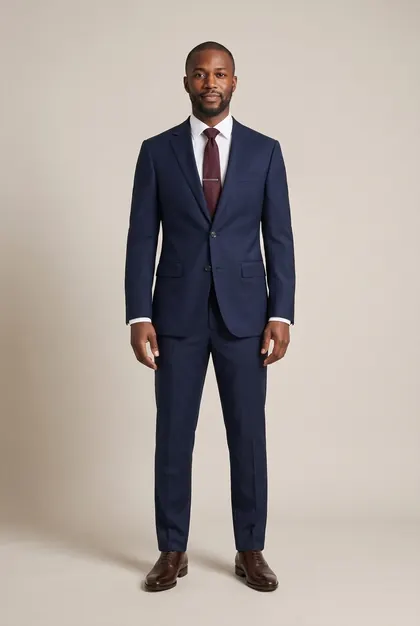
- The hosts will be in black tie and you may be too, but a dark suit with a conservative tie is completely acceptable. Women: a gown or an elegant cocktail-length dress. “Black tie preferred” and “black tie invited” mean much the same; “preferred” nudges harder toward the tuxedo.
- Formal
- Usually treated like black tie optional. For an evening event, aim at the dressier end.
- Creative black tie
- Black tie as the base, with room for personality: a velvet or colored jacket, a patterned bow tie, a metallic gown, an unusual silhouette. It is still formal.
- White tie
- One step above: a tailcoat, white waistcoat and white bow tie for men, and floor-length gowns. If you are invited to white tie, hire the full outfit.
Not sure which one you have? Paste the invitation wording into the dress code decoder.
Black tie at weddings
Black tie weddings follow the same rules with two additions. First, skip white, ivory and cream unless the couple asks for it; in many traditions those belong to the couple. Second, read the couple's wedding website, because black tie weddings often have a second event (a welcome party, a brunch) with its own, more relaxed code.
Renting a tuxedo for a wedding is completely normal. If the wedding party is renting matching suits, guests do not need to match them.
What to avoid
- A regular business suit at a strict black tie event. A dark suit is right only when the invitation says “optional” or “formal”.
- A long necktie with a tuxedo.
- Brown shoes, casual loafers or sneakers with a tuxedo.
- Short, casual or daytime dresses at traditional events.
- Novelty bow ties and socks at a classic black tie event (save them for creative black tie).
Questions people ask
Can I wear a black suit to a black tie event?
Only if the invitation says black tie optional or formal. A black business suit is not a tuxedo: it has no satin facings and is usually worn with a necktie. If the invitation simply says black tie, rent or borrow a tuxedo.
Do women have to wear a floor-length gown to black tie?
It is the traditional and safest choice. Many events now accept an elegant cocktail-length or midi dress in a luxe fabric, but at balls, galas and formal weddings with a seated dinner, long is the expectation.
Can I wear a regular tie with a tuxedo?
A long necktie with a tuxedo is a common modern look, but it is not black tie. If the invitation says black tie, wear a black bow tie.
Is a white dinner jacket correct for black tie?
Yes, in warm climates and at summer outdoor evening events. It is worn with black tuxedo trousers and a black bow tie.